

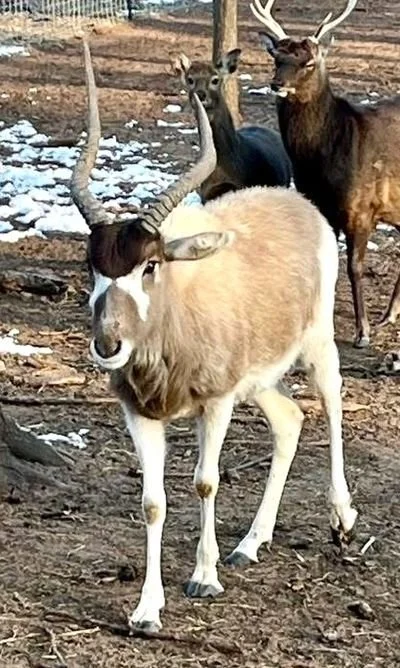
Scientific Name: Addax nasomaculatus
IUCN Status: Critically endangered
Habitat Range: Africa - Sahara Desert
Fun Fact:
They communicate with several vocalizations, including grunts, snorts and alarm calls. They also rely on scent marking; each of their four feet possesses a scent gland that can be used to mark the animal’s territory.
Addax

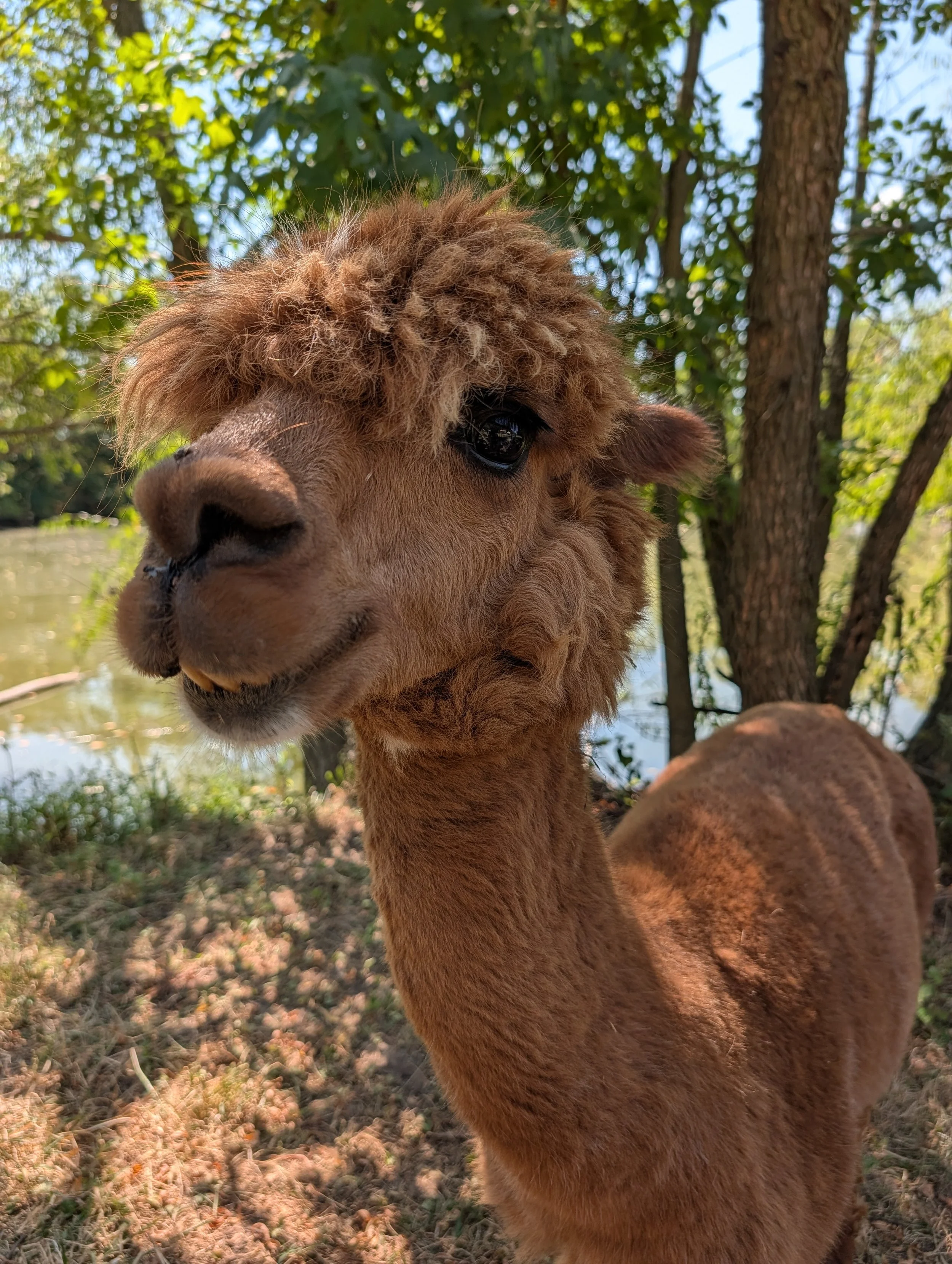
ALPACA
Scientific Name: Vicugna pacos
IUCN Status: Domesticated
Habit range: Southern Columbia and Ecuador, Chile, Northern Argentina
Fun Facts:
Alpaca fiber is non-flammable and water-resistant.
They can be housetrained.
Related to llamas and camels.
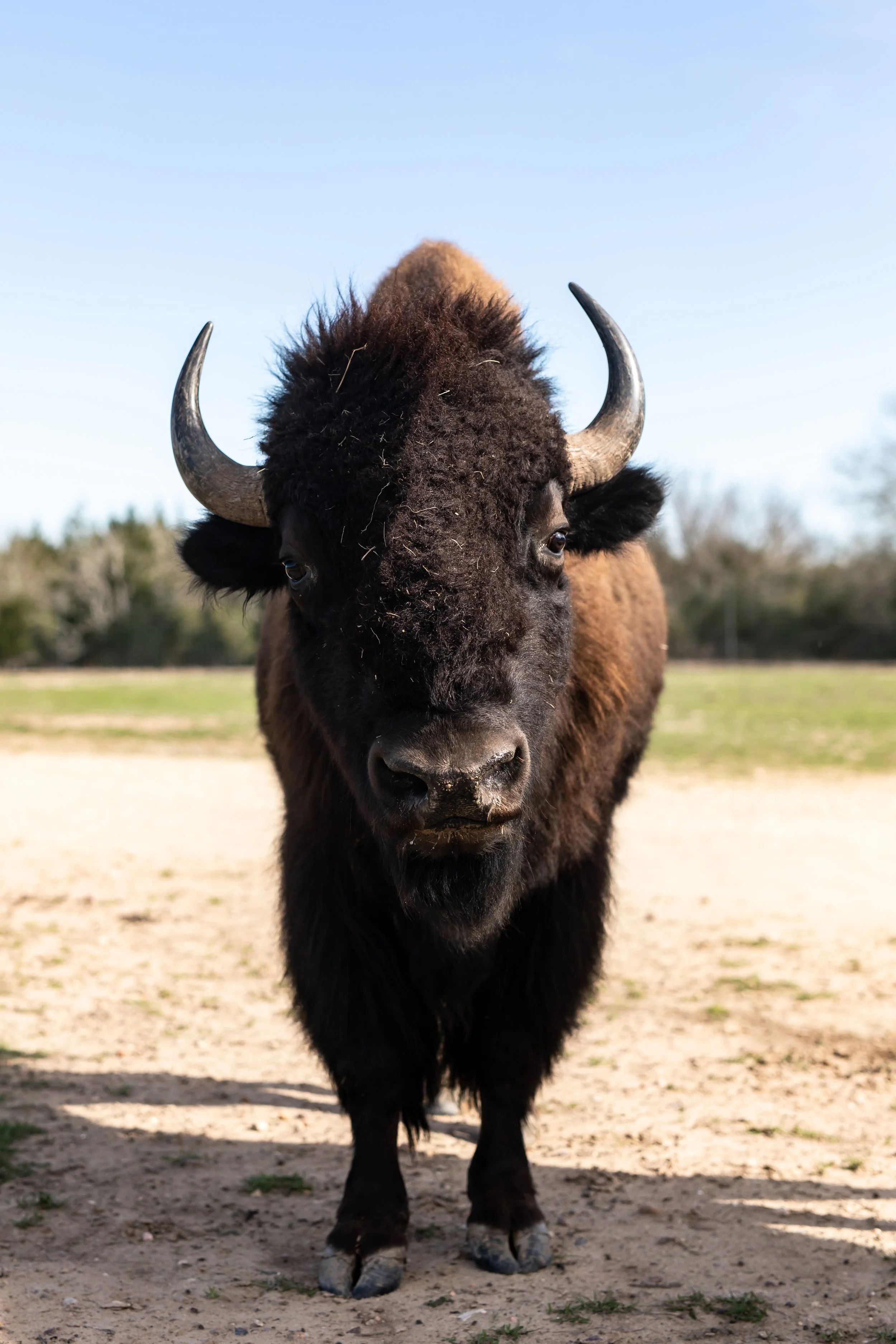
Scientific Name: Bison Bison
IUCN Status: While Bison are no longer threatened with extinction, the species faces other challenges. The loss of genetic diversity, combined with the loss of natural selection forces, threatens the ecological restoration of bison as wildlife. A low level of cattle gene introgression is prevalent in most, if not all, bison herds.
Habit range: North America
Fun Facts:
Largest mammal in North America.
Bison live in all 50 states, including national parks, wildlife refuges, and private lands.
Strong swimmers.
Can jump over objects about 5 feet high.
Bison calves are nicknamed “red dogs,” because of their orange-red color, which changes to dark brown within a few months.
American Bison
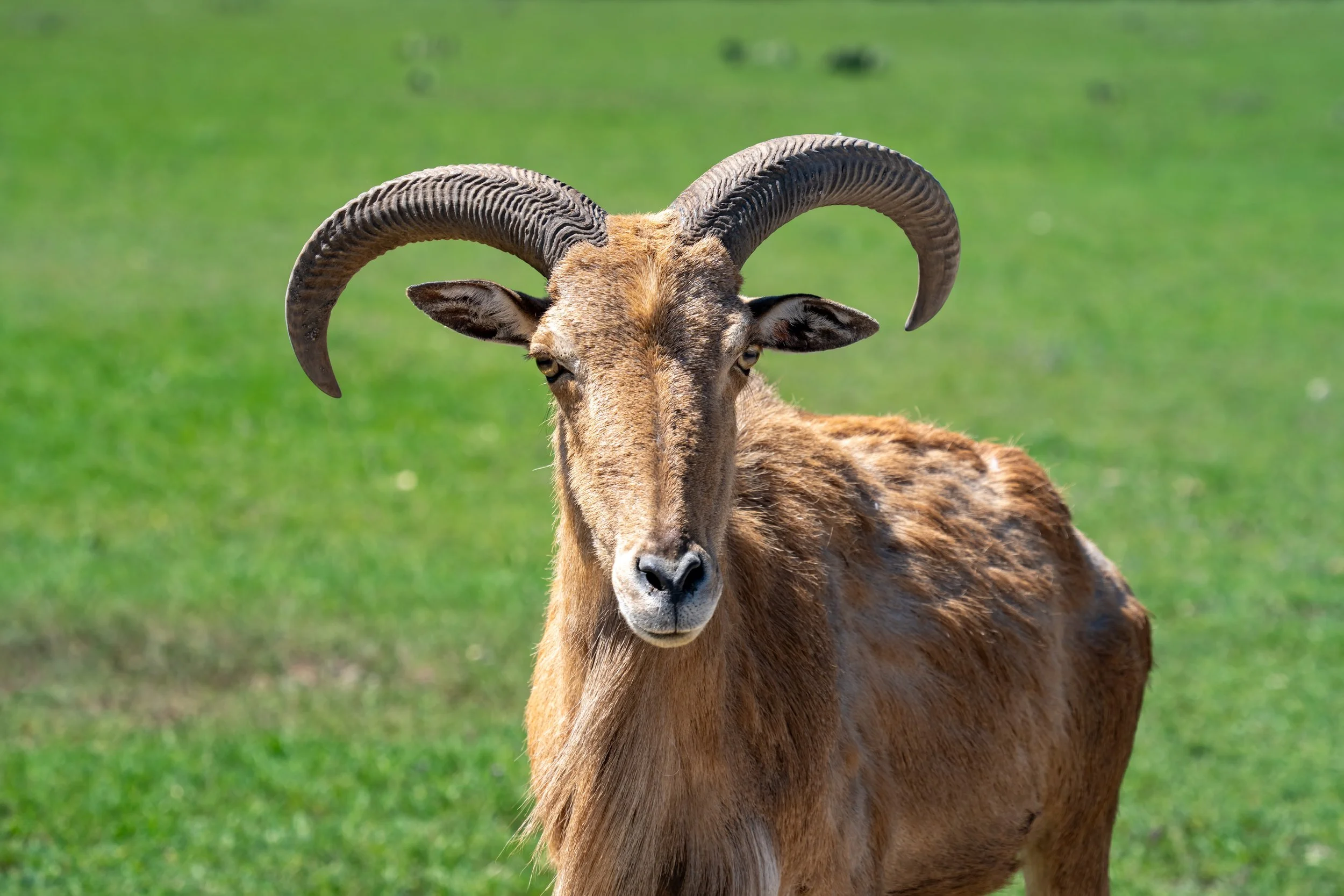
AOUDAD
Scientific Name: Ammotragus lervia
Habitat Range: North and West Africa
IUCN Status: Vulnerable
Fun Facts:
Aka "Barbary Sheep" but are goats.
Strong jumpers clearing obstacles as tall as 6.5 feet.
They are able to go without water for a long period of time as they are able to get all the moisture they need from the foods they eat and dew.
Females are more aggressive than males.
Horns may grow up to 2 feet in length.
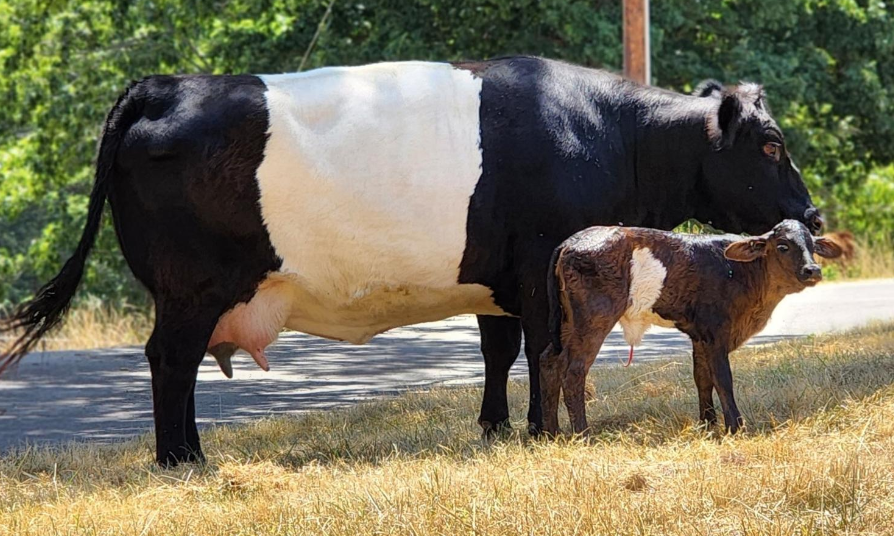
Belted Galloway
Scientific Name: Bos taurus
IUCN Status: Least Concern
Habitat Range: Native to the Galloway region of southwestern Scottland. The Belted Galloway is popular in a number of countries ranging from Britain and Ireland to Australia, America, Canada, and Switzerland.
Fun Facts:
The "Beltie" Breed is naturally polled and when crossed with another breed it will prevent the growth of horns in virtually all cases.
Belted Galloway breeders find that their cattle are more resistant to pink eye, insects and foot problems than many other breeds.
The Belted Galloway cow has about 4000 hairs to the square inch making the coat resistant to severe cold.
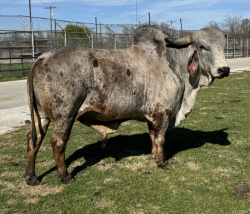
Brahman
Scientific Name: Bos taurus indicus
Habitat Range: Many countries including United States, Brazil, Australia, and Zimbabwe. Originated in India.
IUCN Status: Domesticated
Fun Facts:
Brahmans are also known for their ability to use and maximize lower-quality feed, travel longer distances for feed and water, and resist insects and external parasites — all while withstanding vast climactic differences.
Brahmans are known for their ability to withstand heat better than other breeds. They have more sweat glands, oily skin, and a muscular membrane under their skin that helps them shed insects.
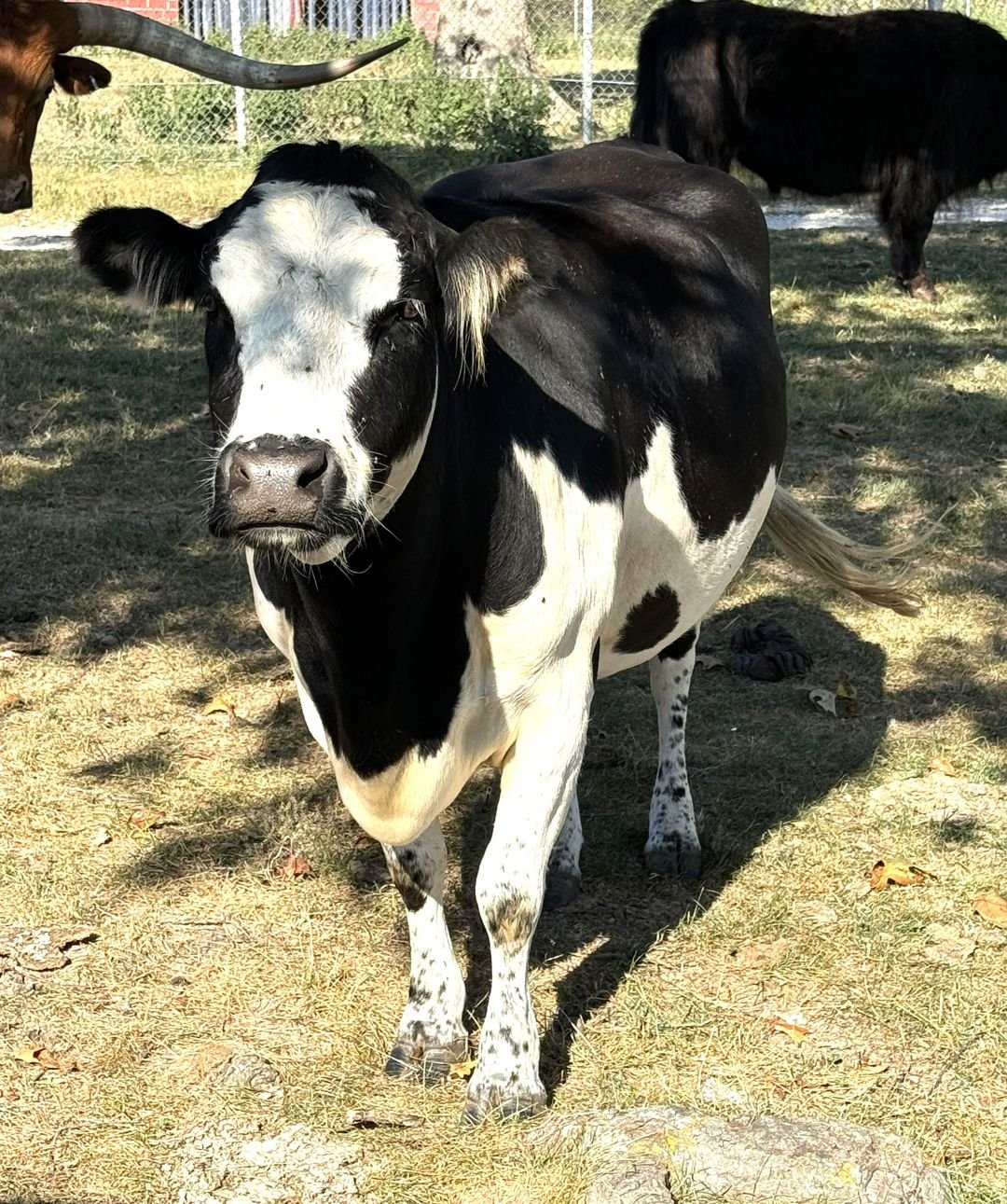
Corriente
Scientific Name: Bos taurus
Habitat Range: Southern United States, Central and South America, and the West Indies
IUCN Status: Threatened - due to crossbreeding
Fun Facts:
The Corriente is primarily used for rodeo sports such as team roping and steer wrestling.
Corriente cattle are known for being escape artists, able to leap over barbed wire fences and squeeze through small openings.
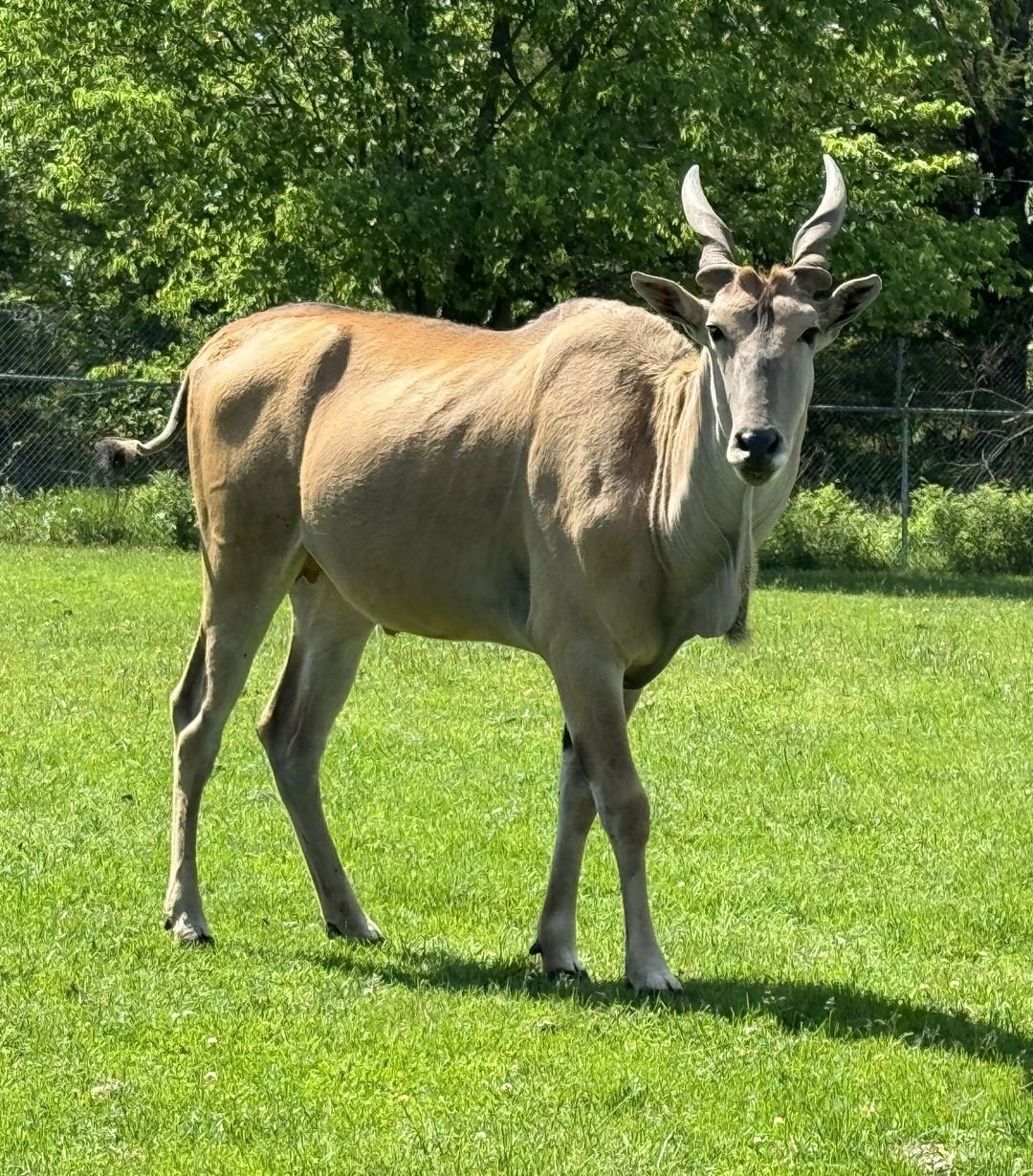
Scientific Name: Taurotragus oryx
IUCN Status: Least Concern
Habitat Range: Southern Africa: Ethiopia, South Sudan, Angola, Namibia, and South Africa
Fun Facts:
The cow-like eland is the world's largest and slowest antelope.
They can jump an obstacle of 4 feet from a standstill.
Elands have specific adaptations to regulate their body temperatures using fine control over their sweat. They can control how much water they release and can supplement the cooling effect with panting, when necessary. It’s also thought that the dewlap is used as a radiator, able to contribute to thermoregulatory processes by warming or cooling the blood.
Speed - 25 mph
Common Eland
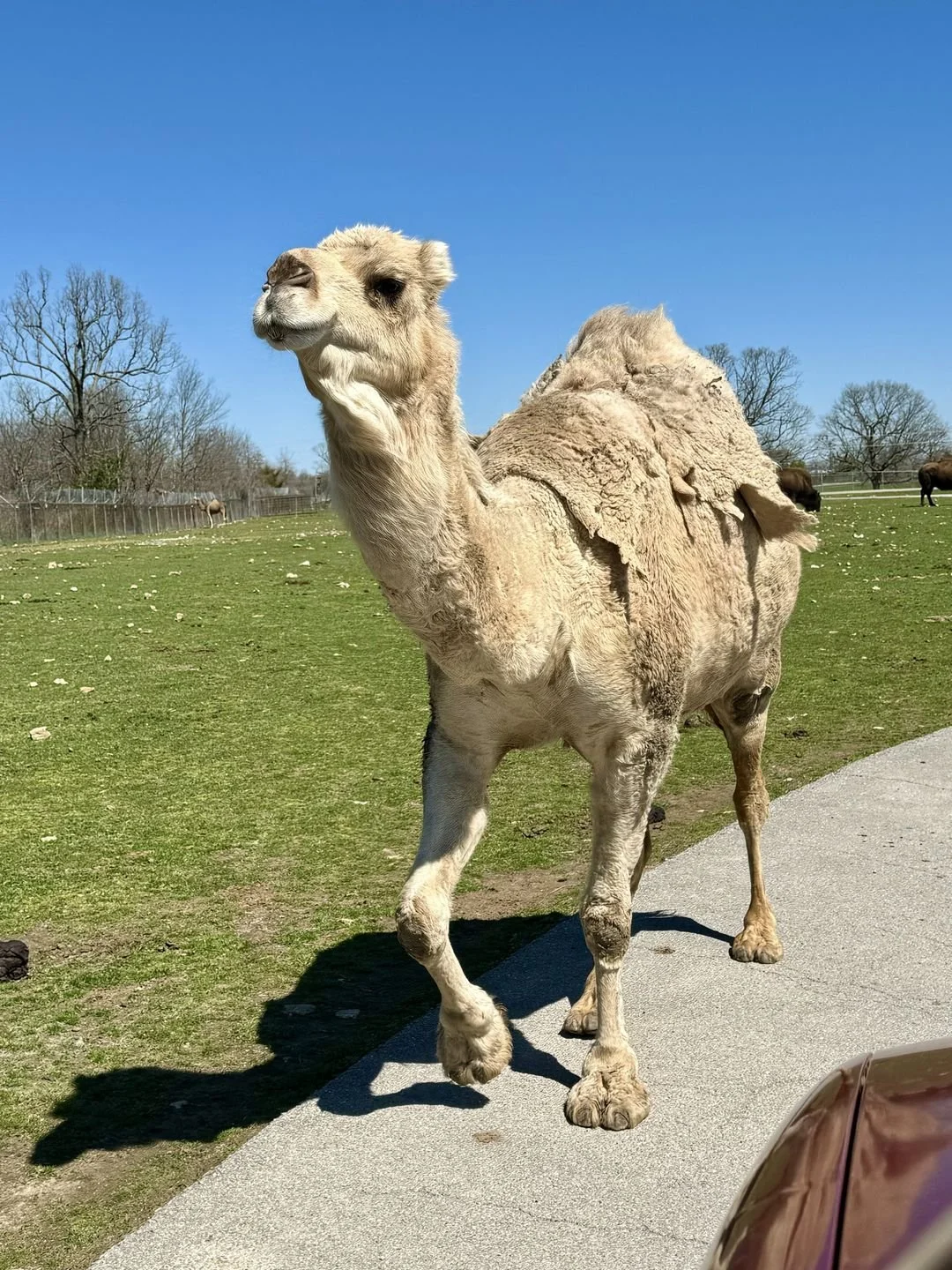
Dromedary Camel
Scientific Name: Camelus dromedarius
IUCN Status: Domesticated
Habitat Range: Middle East through Northern India, Northern Africa, and Central Australia
Fun Facts:
Dromedary camels are no longer considered wild animals. Dromedary camels are semi-domesticated animals, freely ranging, but under herdsman control. In fact, dromedary camels have been "extinct" from the wild for the past 2000 years.
Camels only sweat in temperatures of 106°F or higher.
They are born with no hump.
Camels can live as long as 6 months with no food or water.
The hump is composed of fat bound together by fibrous tissue (not water), acting as food storage in times of need. The size of the hump varies with the nutritional status of the camel, becoming smaller and leaning to one side during times of starvation.
Water is conserved by the camel's ability to fluctuate its body temperature throughout the day from 34 degrees Celsius to 41.7 degrees Celsius. This fluctuation in body temperature allows the camel to conserve water by not sweating as the external temperature rises.
Dromedary camels have remarkable adaptations for their desert lifestyle. Their eyes are protected from blowing sand and dust by a double row of eyelashes. Additionally, at the onset of a sandstorm, these camels have the ability to close their nostrils to prevent sand from entering.
Related to llamas and alpacas.
Speed - 40 mph
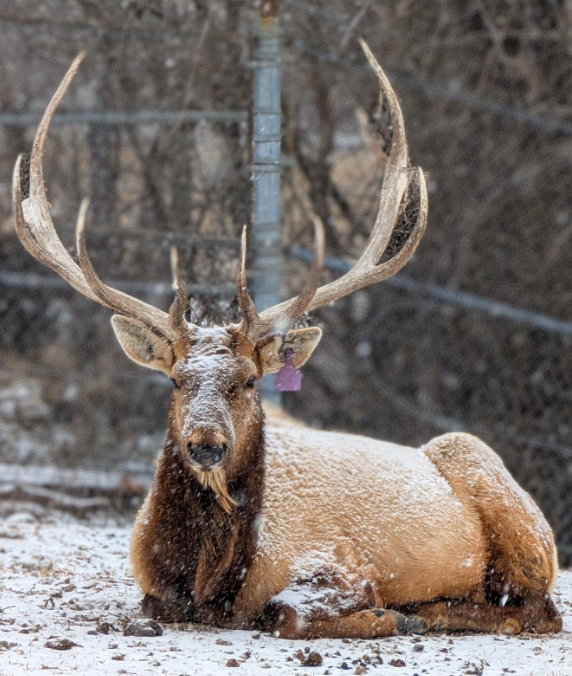
ELK
Scientific Name: Cervus canadensis
IUCN Status: Least Concern
Habitat Range: North America, Siberia, and East Asia
Fun Facts:
Antlers can weigh up to 40 pounds and grow as much as one inch per day.
Elk have teeth called "ivories" that were once 8-inch long tusks. Elk ivories are used in jewelry.
Elk prefer colder weather.
Their ankles make a cracking/popping sound when they walk so they can tell when another elk is approaching them from behind.
Speed - 45 mph
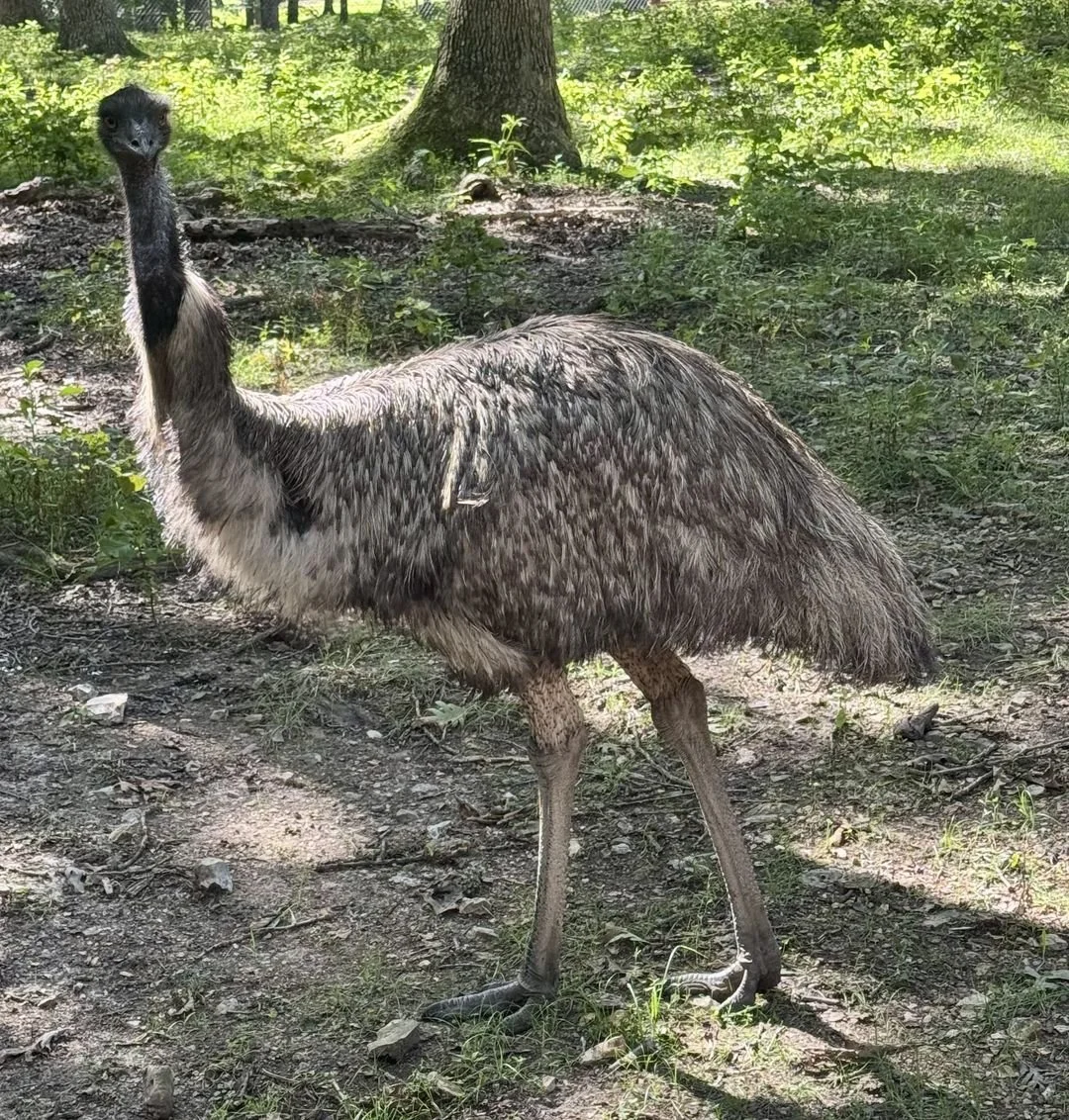
EMU
IUCN Status: Least Concern
Australia is the only place emus are found and they inhabit almost the entire continent. The emu's range covers most of mainland Australia. Historically they also lived on King and Kangaroo Islands, and on Tasmania, but on all three islands the species is now extinct. Emus inhabit a range of habitats including grassland, dry forest, wooded savannah, and semi-desert, but not the tropical forests in northeastern Australia.
Fun Facts!
An emu has two pairs of eyelids: one is for blinking and the other is to keep dust out.
Emu males make a sound like a pig’s grunt and the females make loud booming sounds.
The emu is the second largest living bird
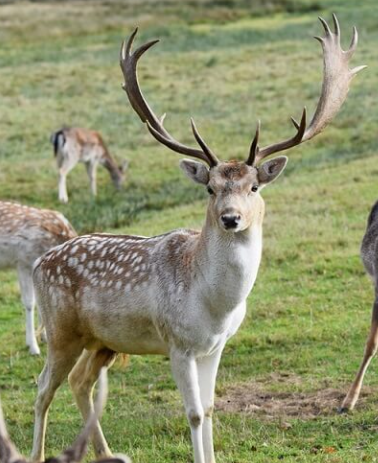
FALLOW
Scientific Name: Dama dama
Habitat Range: Southern European regions, Asia Minor, along the Mediterranean Sea, and possibly in northern Africa and Ethiopia
IUCN Status: Least Concern
Fun Facts:
Fallow deer have been introduced to Australia, New Zealand, and North America, where they are sometimes raised for domestication and farming.
Fallow deer have a very pronounced Adam’s apple.
Up to 14 variations occur from white through shades of red brown to dark brown and some adults retain their original spotted markings. Whatever color they are born will be the color they retain for life.
George Washington was one of the earliest exotic raisers in the U.S. and purchased his first “English deer,” which is assumed to have been a fallow deer. Fun fact, fallow deer still exist on the historical George Washington property at Mount Vernon.
Speed - 30 mph
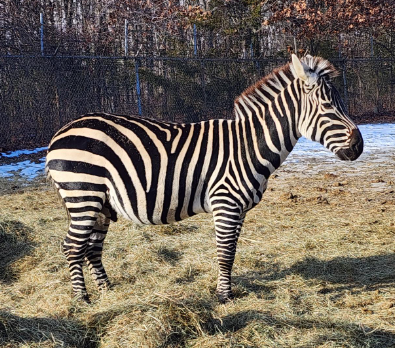
GRANT’S ZEBRA
Scientific Name: Equus quagga boehmi
IUCN Status: Least Concern
Habitat Range: Africa
Fun Facts:
It is the smallest of the Plains zebra's six recognized subspecies.
If a zebra is able to escape a predator in the first 100 yards of the attack, it is usually safe from harm.
Within several minutes of its birth, a newborn zebra begins to walk! Within just a few hours, they are capable of running with the rest of the herd.
Zebras are black with white stripes; each zebra's stripes are as unique to the individual as fingerprints are to humans.
Zebra stripes deter flies and other insects from landing on the animal.
Speed - 40 mph
Compared to other zebra subspecies the Grant’s zebra has relatively thick stripes that meet at the belly and continue on the legs.
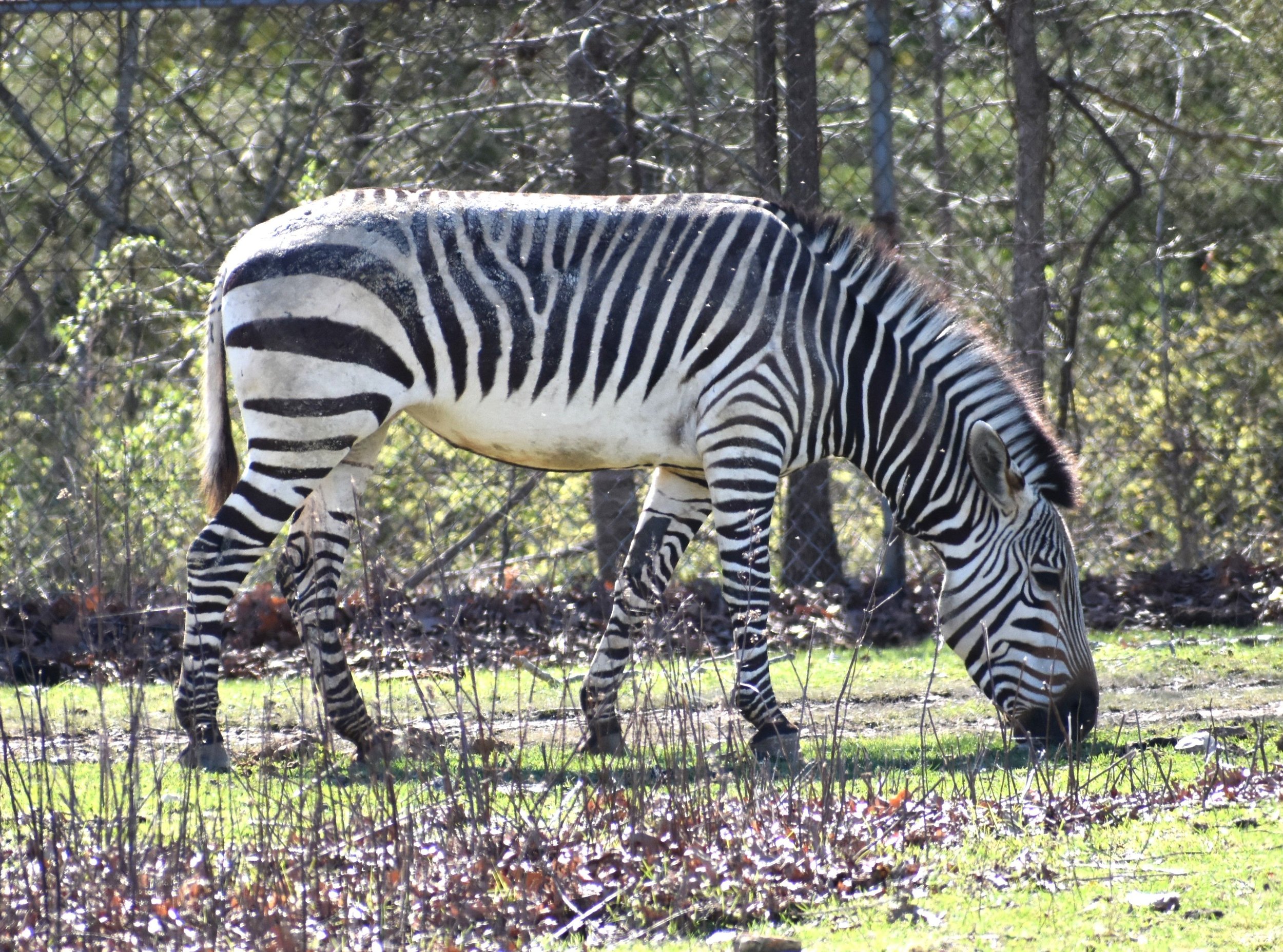
HARTMANN ZEBRA
Scientific Name: Equus zebra hartmannae
Habitat Range: Southern Africa
IUCN Status: Vulnerable
Mountain zebras are the smallest of the zebra subspecies.
They are known to be capable climbers, navigating the rocky hillsides of their mountain habitats with ease.
When no water is available in their dry habitats, they will use their sharp, pointed hooves to dig for water beneath the ground surface.
Speed - 40 mph
Unlike other zebras, Hartmann's mountain zebras have vertical stripes on their neck and torso and horizontal stripes on their backside. They also have white, non-striped bellies.
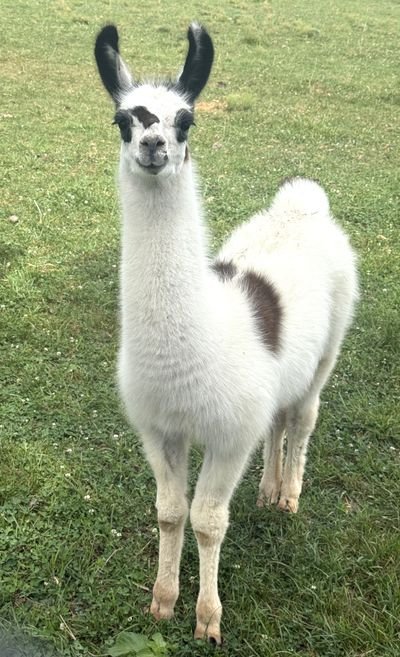
LLAMA
Scientific Name: Lama glama
Habitat Range: The Andes Mountains of South America, primarily in Peru and Bolivia. They are also found in Ecuador, Chile, and Argentina.
IUCN Status: Least Concern
Fun Facts:
Llamas are related to camels and are also domesticated pack animals, carrying 25-30% of their body weight for up to 20 miles at a time. When llamas are freighted with too much weight, they will sit down and refuse to move until their load is reduced.
Due to their very long large intestines, like camels, llamas can go long periods without water.
When they spit, they are actually vomiting.
Because of their calming and sweet natures, hospitals and nursing homes use llamas as therapy animals.
Llamas are animals that first came to the United States as zoo exhibits in the 1800s.
Speed - 28 mph
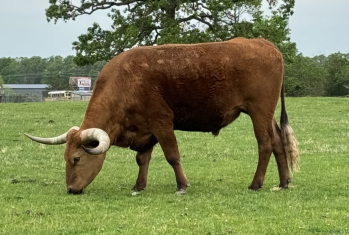
Longhorn
Scientific Name: Bos taurus taurus
IUCN Status: Critically Endangered
Habitat Range: United States, Canada, some European countries, and Australia
Fun Facts:
The Texas Longhorn is a hybrid breed of cattle that originated from Spanish cattle and English cattle.
Both males and females have horns. Most longhorn cows and bulls have horns of four feet or less. However, mature steers have an average span of six feet or more and a 15-year-old's horn span reach up to nine feet.
The Texas Longhorn is the only cattle breed in America which - without aid from man - is truly adapted to America.
They can survive for days without water, making them well-suited to the harsh conditions of the Texas ranges.
MiNITURE ZEBU
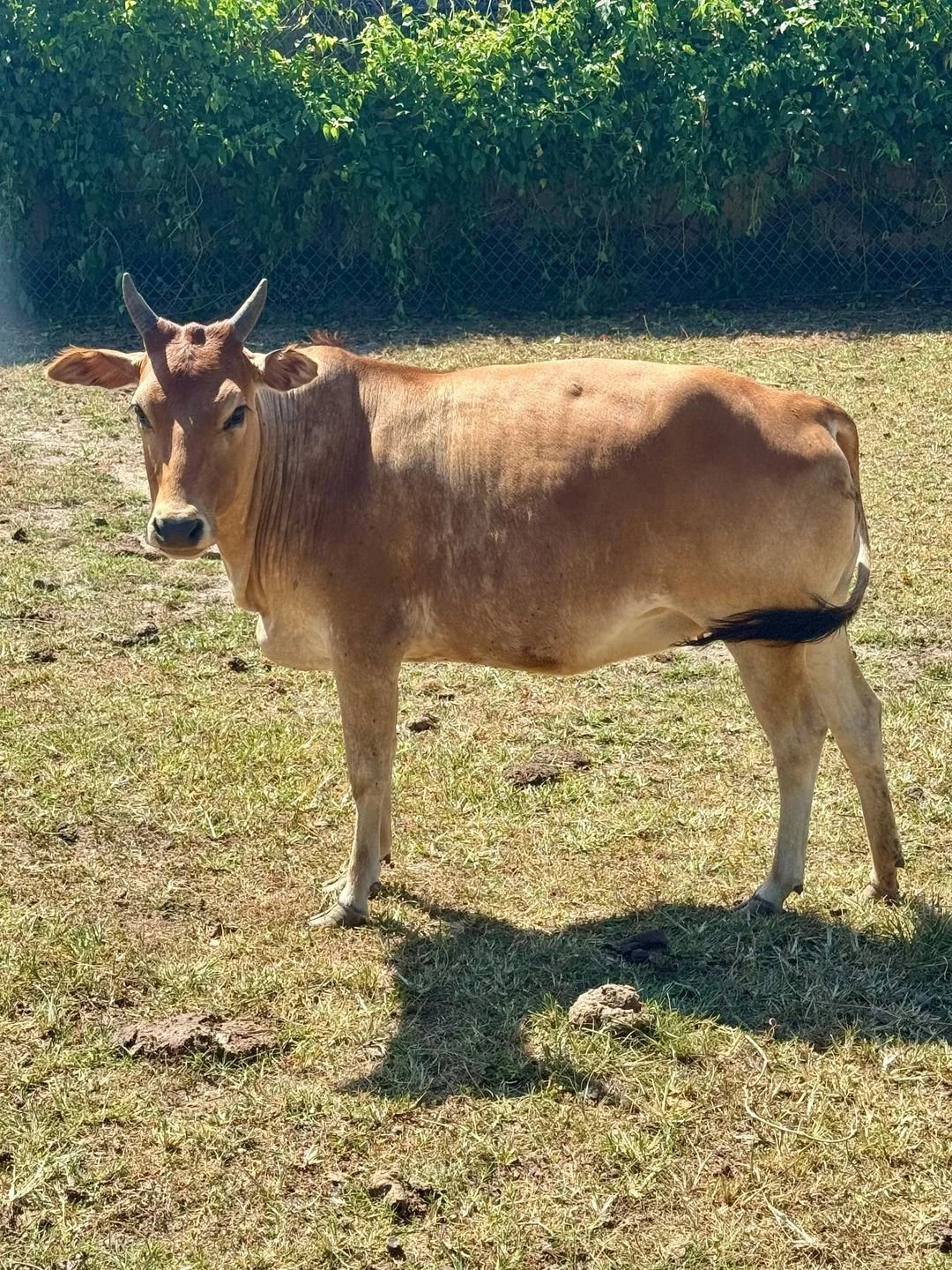
Scientific Name: Bos taurus indicus
Habitat Range: Southeast Asia, South India, and Sri Lanka, as well as Africa
IUCN Status: Critically Endangered
Fun Facts:
Miniature Zebu’s are the only naturally occurring miniature breed of cattle; completely natural breed and not the result of dwarfism or altered genetics. Miniature Zebu’s are not tiny Brahman’s.
Miniature Zebus produce milk that is high in butterfat and may have medicinal properties.
Speed - 25 mph
The name "Nadudana" is the origin of the Miniature Zebu's name, and it's a Hindi word that means "small cattle."
OSTRICH
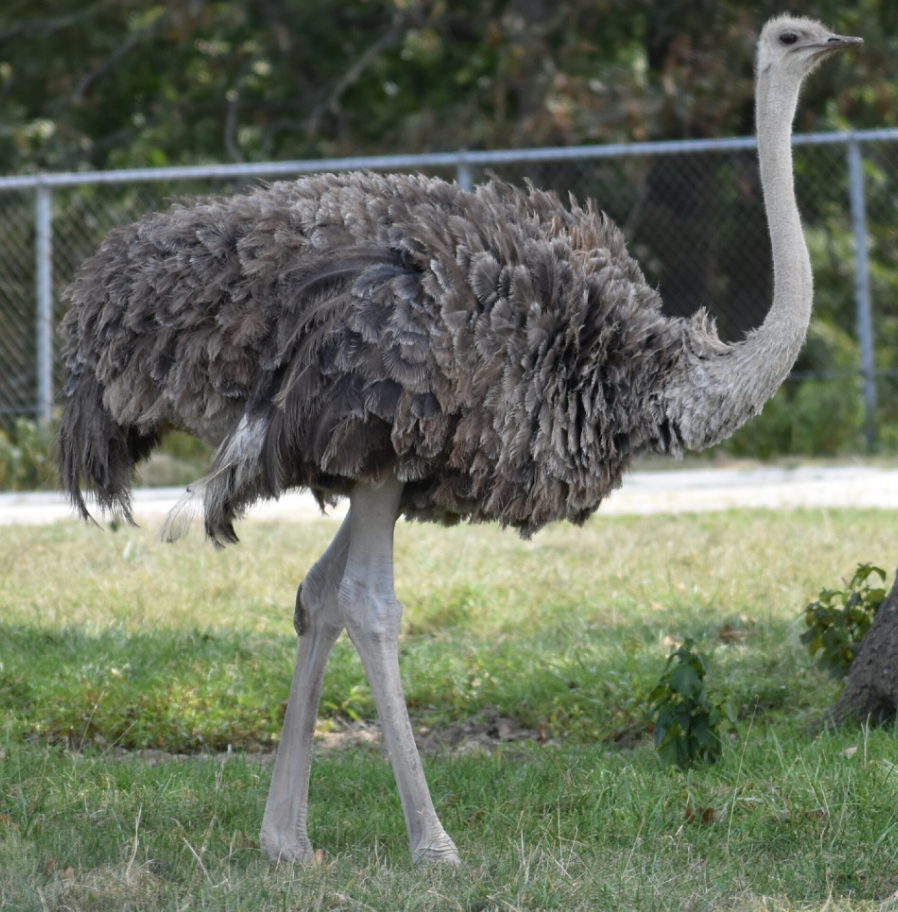
IUCN Status: Least Concern
The ostrich, also known as the common ostrich, is a flightless bird native Africa and is the largest living bird species. Up until the mid 20th century, ostriches occurred naturally in southwestern Asia, the Arabian peninsula, and Africa. They have since been hunted to extinction except in sub-Saharan Africa. Ostriches live in the wild in western and eastern Africa, as well as South Africa. Ostriches farmed in Australia, New Mexico, and Israel have established feral populations. These birds inhabit open land. Their biomes include: semi-desert, true desert, dry grasslands, scrubby areas, and pasturelands.
Fun Facts!
Ostriches have prehistoric-looking feet, and are the only birds with only two toes on each foot. The inner one is thick and strong, and is adapted for running. They have a large claw which may be used in defense.
One ostrich egg weighs around 24 chicken eggs.
Ostriches have the largest eyes of any living land animal.
There are five recognized subspecies of Ostrich, but only four are still around today.
Pere David
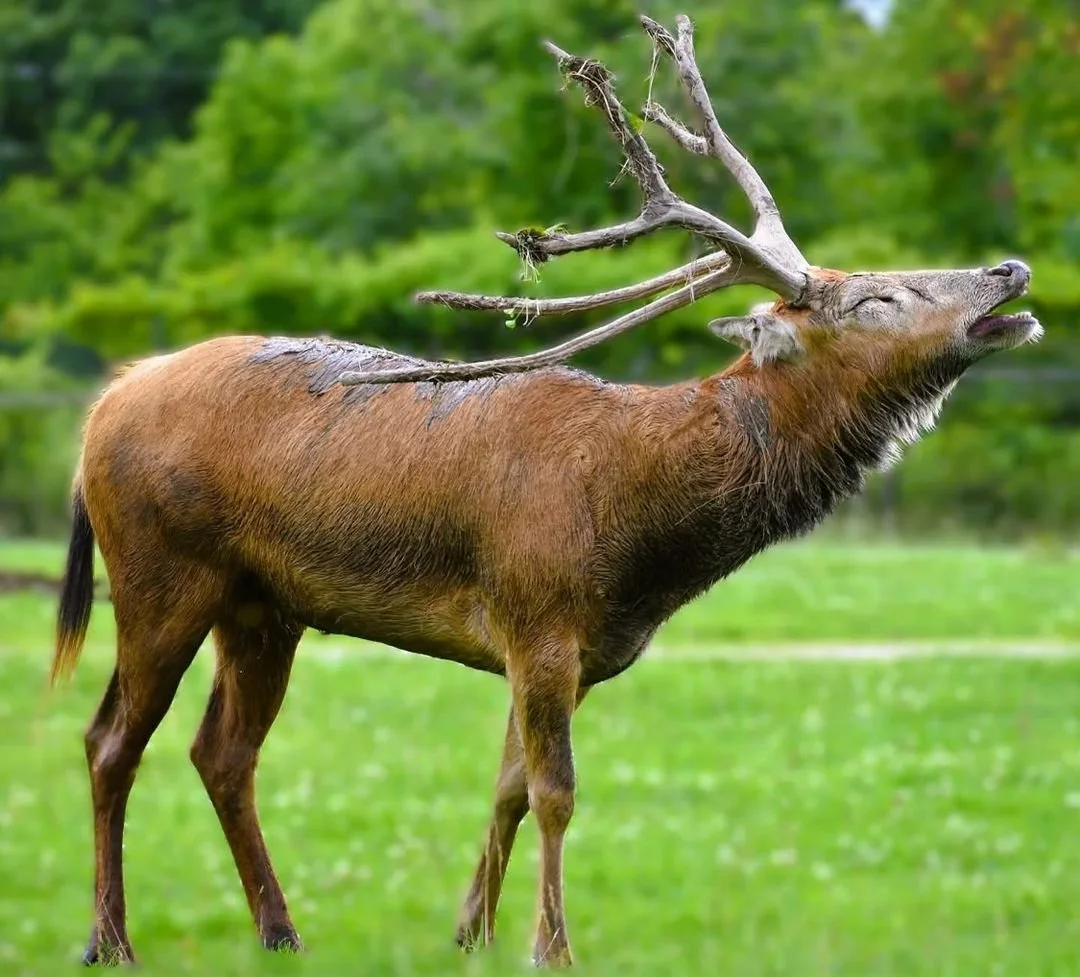
Scientific Name: Elaphurus davidianus
IUCN Status: Extinct in the wild - Due to being raised successfully in zoos and nature reserves; there have been 2500 animals reintroduced to China. They live in three national nature reserves there. Chinese authorities would like to eventually reintroduce them into the wild.
Habitat Range: Central and Northern China
Fun Facts:
The Père David’s deer is an excellent swimmer and is fond of the water. They have webbed toes that help them swim and move through marshy grasslands.
They are the only deer to have two sets of antlers in a year.
They make a clicking sound when they walk, similar to reindeer. The clicking sound comes from their large, spreading hooves.
Speed - 18 mph
POT BELLIED PIGS
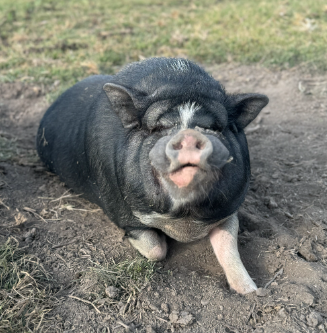
Scientific Name: Sus scrofa domesticus
IUCN Status: Least Concern
Habitat Range: Southeast Asia
Fun Facts:
Pigs have poor vision but excellent senses of smell and hearing.
Pigs are extremely intelligent; they can be trained to the same extent as a dog and can even be house broken.
The Vietnamese pot-bellied pig is a dwarf breed of swine developed in Vietnam in the 1960s. They have been imported to the United States since the 1980s.
Pigs are actually clean animals, but have a reputation for sitting in the mud in order to protect their skin from insects and sunburn.
Speed - 11 mph
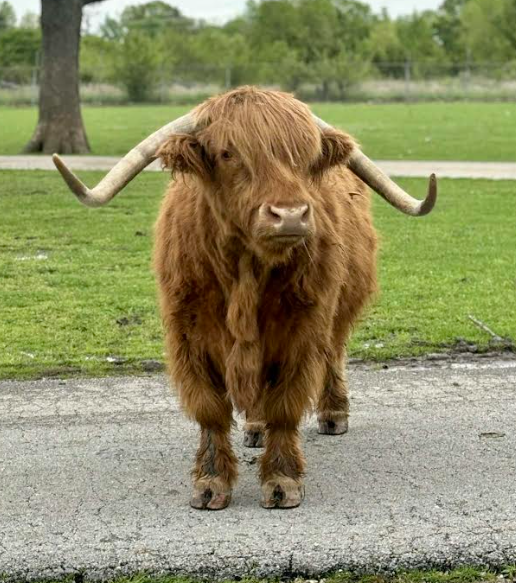
Scottish Highlander
Scientific Name: Bos taurus taurus
Habitat Range: Scottish Highlands & Western Islands
IUCN Status: Least Concern
Fun Facts:
Highland cattle are one of the oldest registered cattle breeds in the world, with their origins dating back to the 6th century in the Outer Hebrides.
Both male and female Highland cows possess impressive horns, which they use to clear snow and defend themselves.
Speed - 25 mph
The coat of the Highland cattle consists of two layers: the undercoat and the oily outer coat, which is the longest among cattle species.
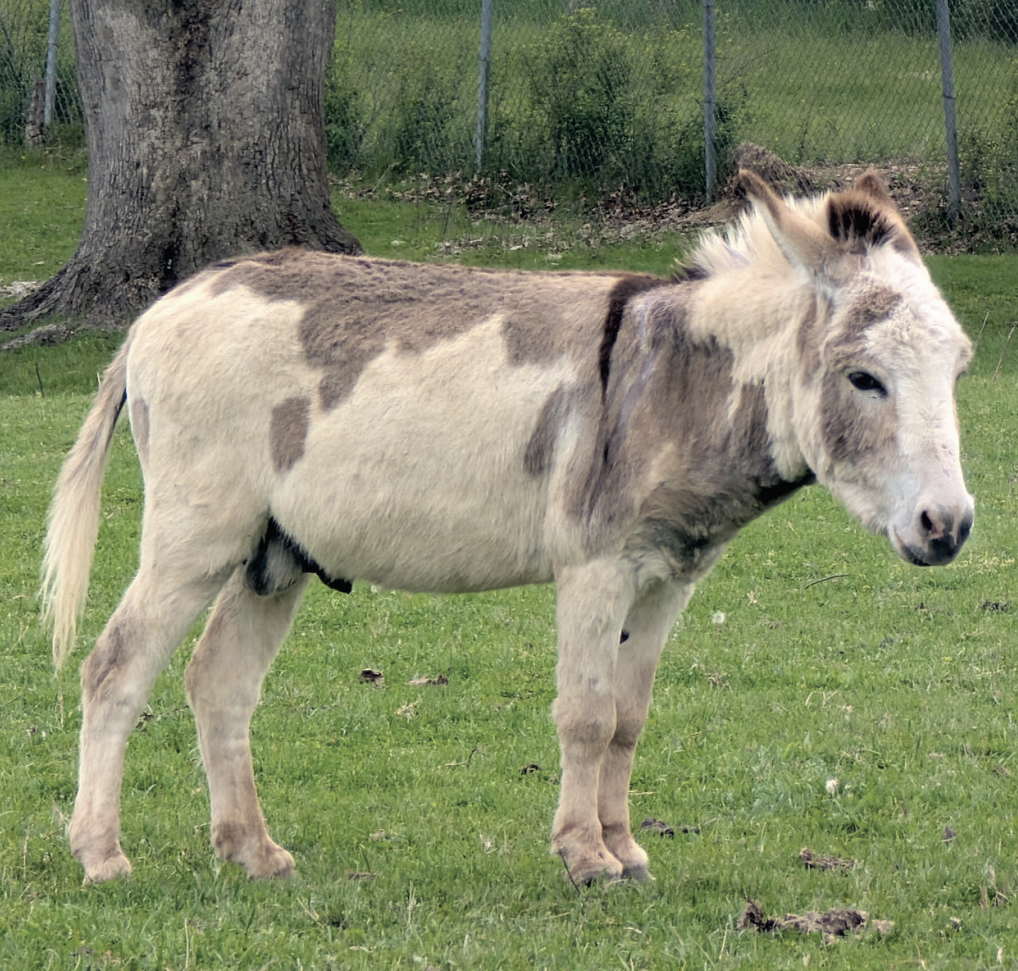
Sicilian Miniature Donkey
Scientific Name: Sicilian Miniature Donkey
Habitat Range: Mediterranean Islands of Sicily and Sardinia
IUCN Status: Considered nearly extinct in their native region – becoming rare due to crossbreeding, but they are common in the U.S. (status: not evaluated)
Fun Facts:
Intelligent, social, hardy animals, donkeys have been domesticated for their milk, strength and companionship for more than 6,000 years.
Donkeys' eyes are at the sides of their heads, giving them a wide field of vision. They have both monocular and binocular vision, which allows them to see two fields of vision at once (monocular) or to focus on the same thing with both eyes at the same time (binocular). There is a blind spot directly in front of the donkey and one directly behind.
Donkeys are very observant and cautious animals. They will refuse to do anything that appears threatening. This behavior has earned the donkey its reputation for being stubborn.
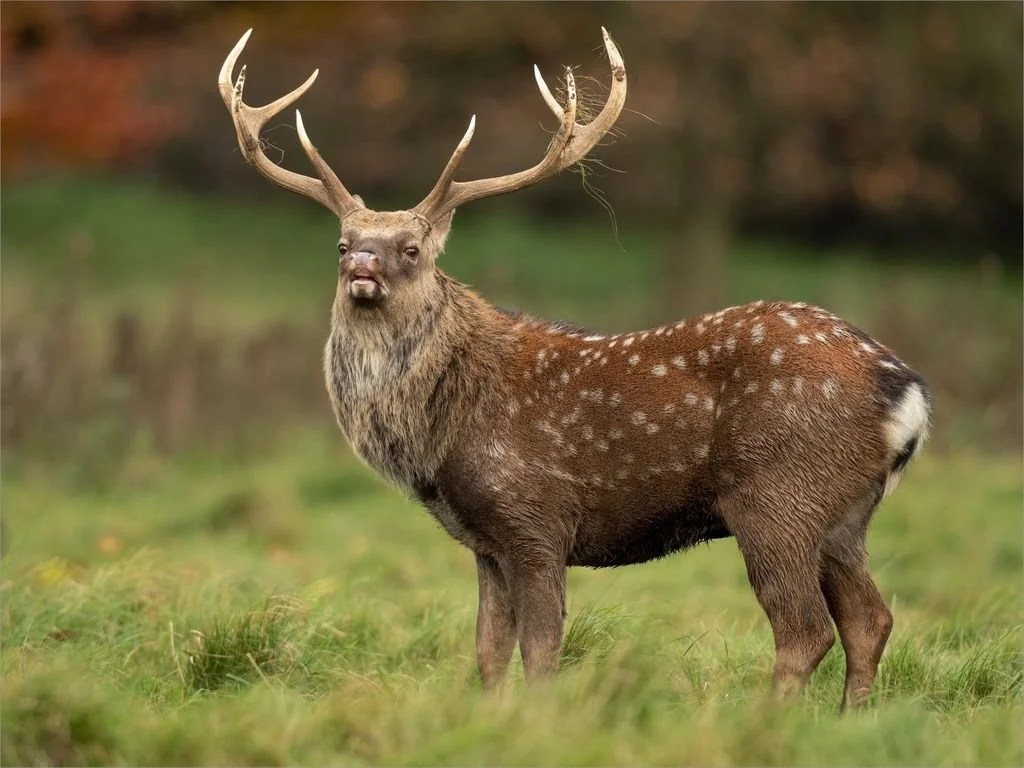
SIKA
Scientific Name: Cervus nippon
Habitat Range: Eastern Asia, including Japan, Taiwan, Korea, China, and Southeastern Siberia
IUCN Status: Least Concern
Fun Facts:
Excellent swimmers and readily enter the water to escape predators or for other purposes.
Sika deer hop with all four hooves off the ground at the same time, making bounds of up to 6 meters in length and can jump 5.6 feet high.
Speed - 30 mph
Primarily nocturnal
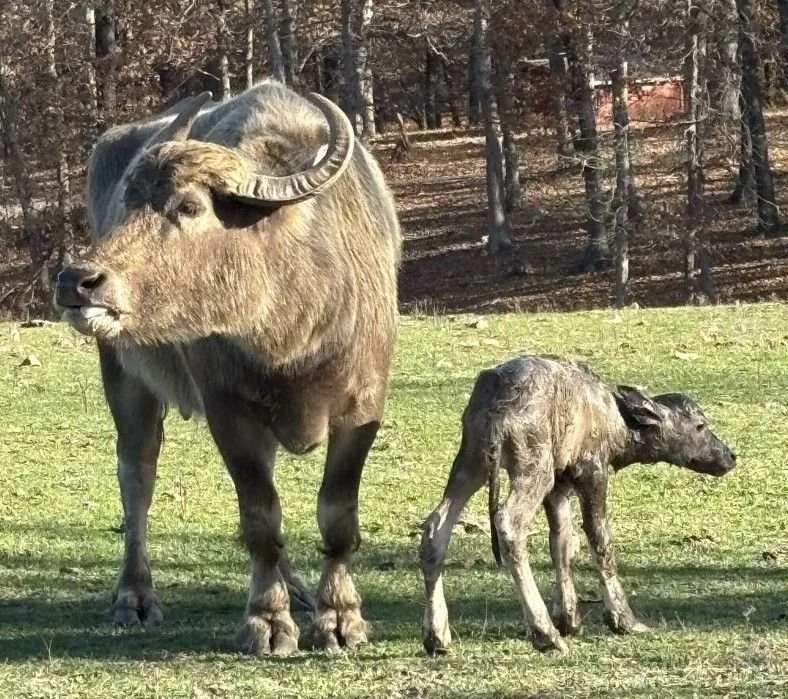
WATER BUFFALO
Scientific Name: Bubalus bubalis
IUCN Status: Endangered
Habitat Range: Indian subcontinent, Southeast Asia, and China
Fun Facts:
They are more sensitive to heat than most bovids because they have fewer sweat glands. Thus, water buffalo are known for wallowing in mud. Wallowing in mud helps to cool the animal because water in mud evaporates more slowly than just water alone, thus extending the period of cooling. Wallowing also serves to cake the animal with mud, which protects it from biting insects.
Water buffalo were domesticated in the Indian subcontinent about 5000 years ago, and in China about 4000 years ago.
Water Buffaloes live on every continent except Antarctica.
Water buffaloes’ milk has higher protein, calcium, lactose, phosphorous, and iron levels than regular cow’s milk. Their milk also has less cholesterol and water. Annually, water buffaloes produce over 70 million tons of milk.
Brazil uses Water Buffalo for police transportation.
Speed - 35 mph
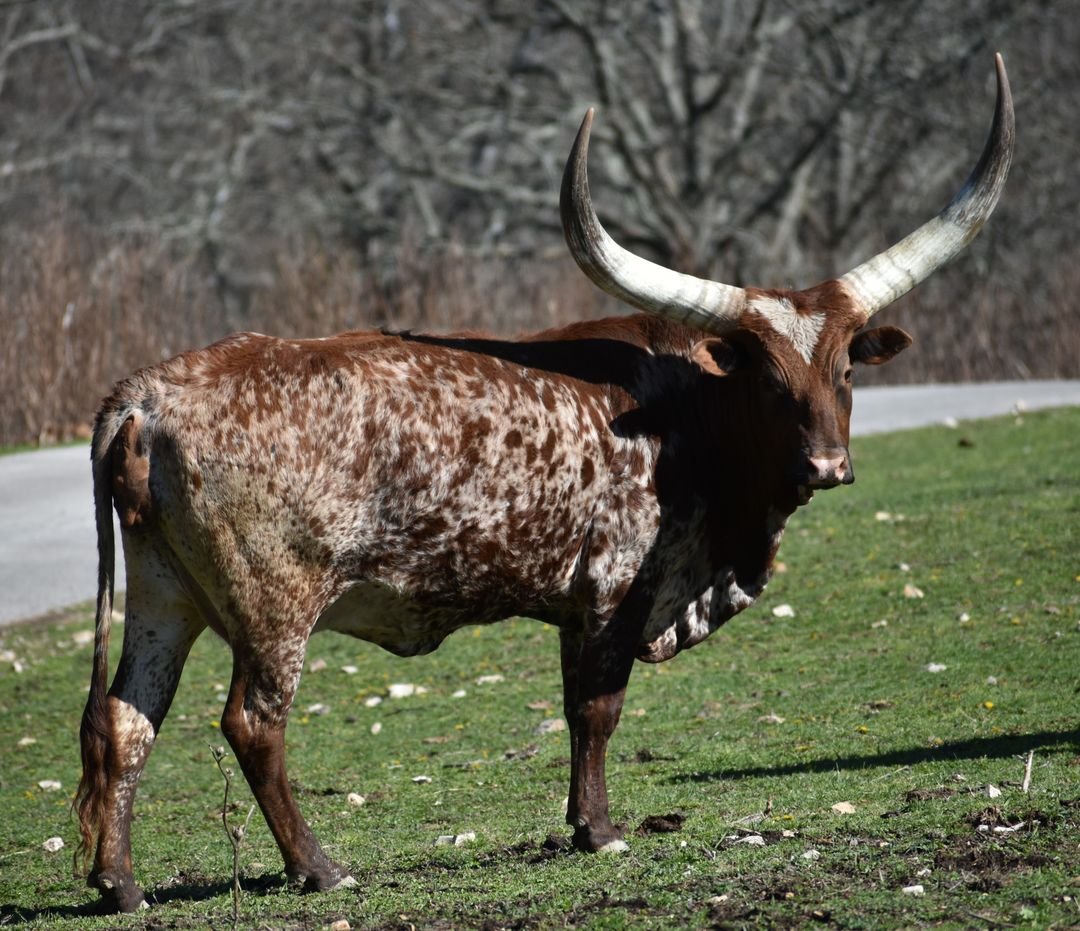
WATUSI
Scientific Name: Bos taurus taurus watusi (Ankole Watusi)
Habitat Range: Eastern Africa, primarily Rwanda and Burundi
IUCN Status: Least Concern
Fun Facts:
Cattle have been valued in Africa as ceremonial animals and as symbols of wealth and power. The shape and size of the animal’s horns determined the beauty of the herd and was significant for the owner’s position in society.
The Ankole cattle's horns act as radiators; blood circulating through the horn area is cooled and then returned to the main body. This allows excess body heat to be dispersed.
They are known for having the largest circumference of horns of all cattle.
They have very strong protection instincts, and adults will bed down in a circle facing outwards with calves kept safe in the middle.
They have tremendous jumping ability for their large size.
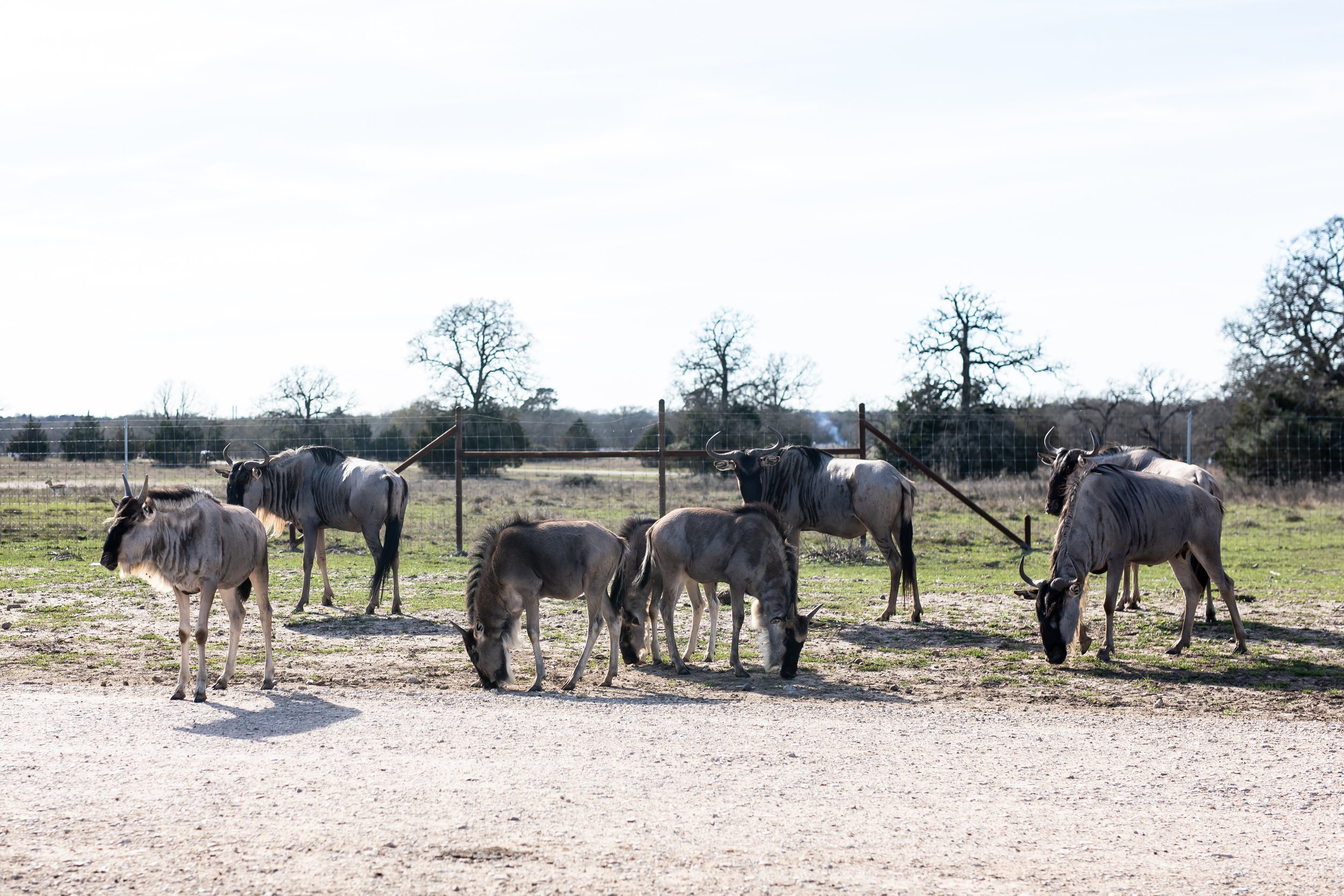
WILDEBEEST (BLUE)
Scientific Name: Connochaetes taurinus
IUCN Status: Least Concern
Native Origin: Southern Africa
Fun Facts:
Wildebeests need regular access to water sources. This need drives them to embark on their great migration, seeking out areas with sufficient water and fresh grazing. The Blue Wildebeest drinks 9 to 12 liters of water every 1-2 days.
Wildebeests exhibit swarm intelligence, a form of collective learning and decision-making based on decentralized, self-organized systems.
Wildebeest are one of the oldest members of the antelope family.
Speed - 50 mph
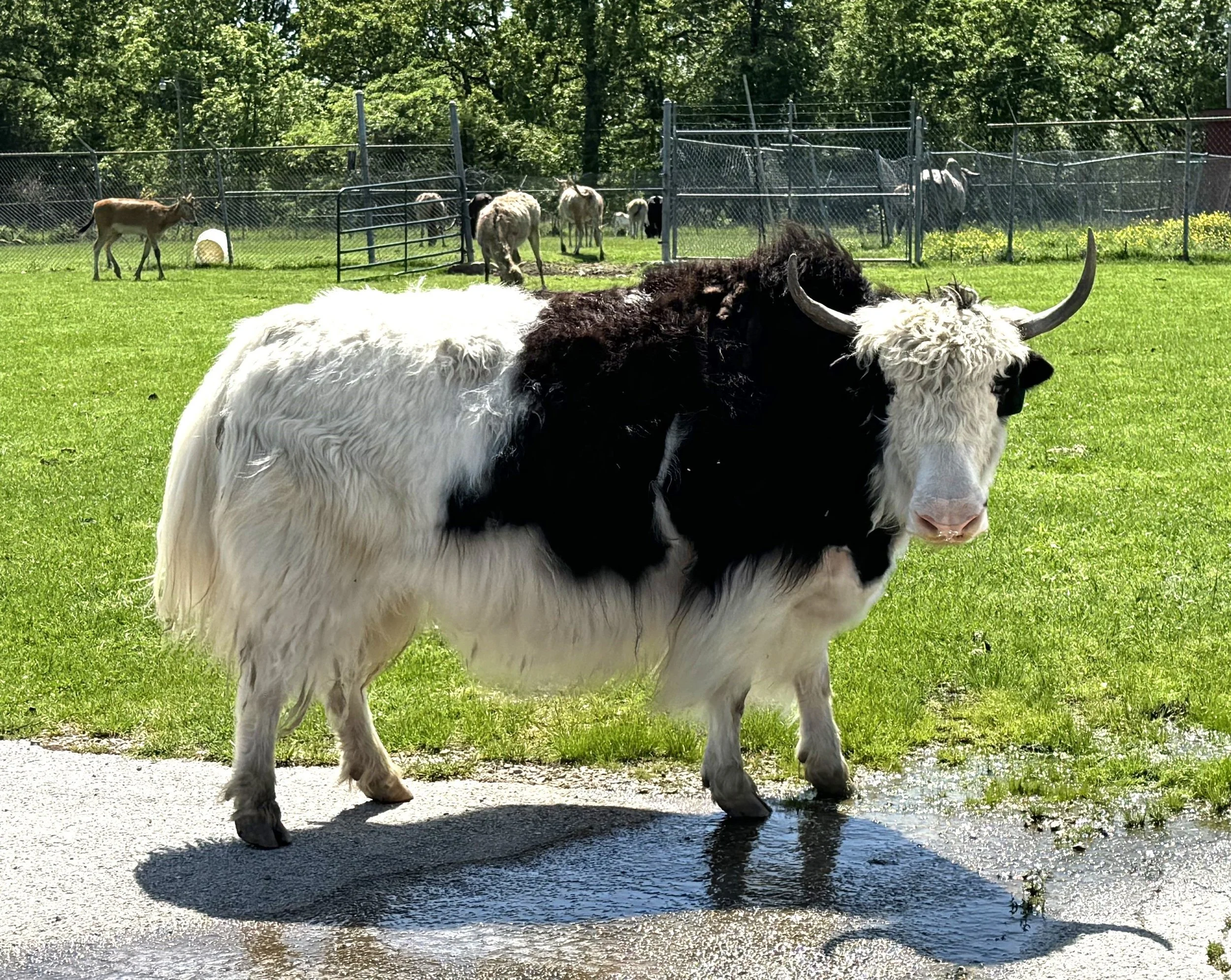
YAK (HIMALAYAN)
Scientific Name: Bos grunniens
Habitat Range: Tibetan Plateau
IUCN Status: Vulnerable
Fun Facts:
They thrive at elevations between 14,000 and 20,000 feet and can handle temperatures as low as -40 degrees F.
Yaks are animals with three times the lung capacity of cows and have more and smaller red blood cells, which allows them to transport oxygen more efficiently.
Speed - 25 mph
Wild males can weigh as much as 2,200 pounds.
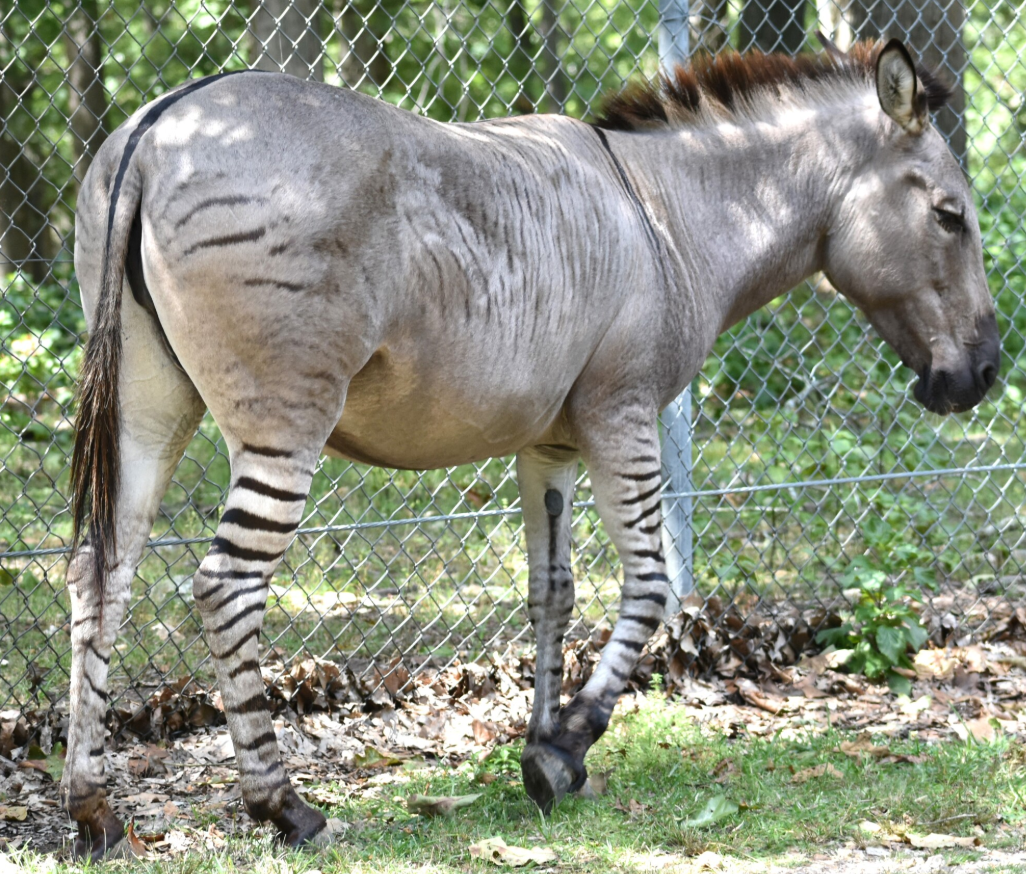
Zedonk
Scientific Name: Equus zebra
IUCN Status: Unlisted
Native Origin: Domesticated Breed
A zedonk is a deliberately bred hybrid between a zebra and a donkey.
Unlike many hybrid animals, zedonks are occasionally capable of reproduction.
Zedonks are herbivores, feeding primarily on grasses and other vegetation.
They can reach speeds of up to 35 miles per hour.
Zedonk hybrids have been successfully bred in captivity since at least the 19th century.